
Steroids Blog
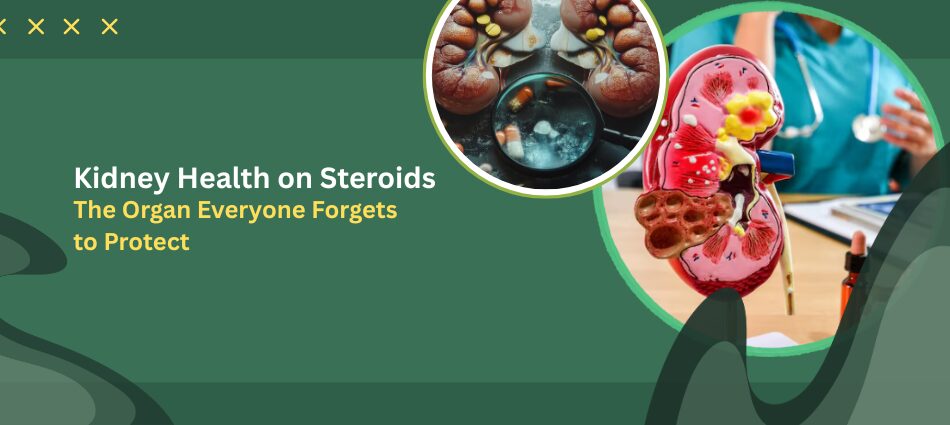
Kidney Health on Steroids: The Organ Everyone Forgets to Protect
Jul
You check your blood pressure. You monitor your weight. You worry about your heart. But when did you last think about your kidneys?
Most people never do. Not until something goes wrong.
Your kidneys work around the clock. Every single day, they filter your entire blood supply dozens of times. They remove waste. They balance fluids. They regulate blood pressure. They keep your bones strong. They do all of this silently, without asking for attention.
That silence is the problem. Kidney disease does not announce itself. It builds quietly for years. By the time symptoms show up, serious damage has often already happened. Studies show that most people with chronic kidney disease have no idea they have it. That is not a small number. That is the majority.
The good news is that your daily habits have more power over your kidney health than any medication. Small changes made early protect you in ways that treatment later cannot.
Why Your Kidneys Are So Easy to Ignore?
Every other major organ gives you feedback. Your heart races. Your lungs get tight. Your stomach aches. Your kidneys? They stay quiet.
There is no pain in the early stages of kidney disease. No obvious signal. You feel completely normal while kidney function slowly declines. This is why kidney disease is often called a silent condition.
By the time you notice swollen ankles, unusual fatigue, foamy urine, or changes in how often you urinate, your kidneys may already be working at a fraction of their capacity.
Waiting for symptoms is too late. Prevention has to start now, before anything feels wrong.
Everyday Habits That Are Slowly Hurting Your Kidneys
You do not need to do anything extreme to damage your kidneys. Ordinary daily habits are enough.
Too much salt. High sodium raises blood pressure. High blood pressure forces your kidneys to work harder than they should. Over time, that extra pressure damages the tiny blood vessels inside them. Most people consume far more sodium than they realize. It hides in bread, sauces, packaged snacks, and restaurant meals.
Overusing painkillers. Ibuprofen and other common pain relievers are easy to reach for. Used occasionally, they are fine. Used regularly, they reduce blood flow to the kidneys and cause serious damage over time. If you are taking painkillers more than a few times a week, talk to a doctor about alternatives.
Not drinking enough water. Your kidneys need water to flush out waste. When you are consistently dehydrated, waste builds up and concentrated urine creates the perfect conditions for kidney stones and infections. Pale yellow urine is a good daily indicator that you are drinking enough.
Too much sugar. Sugar drives obesity. Obesity leads to diabetes and high blood pressure. Diabetes and high blood pressure are the two biggest causes of chronic kidney disease. Sugar also hides in places most people do not expect. Flavored yogurts, energy drinks, pasta sauces, and granola bars are common sources.
Sitting all day. Physical inactivity affects blood pressure and blood sugar, both of which directly impact kidney health. You do not need intense exercise. Thirty minutes of walking most days makes a measurable difference.
Smoking. Smoking restricts blood flow throughout your body, including to your kidneys. Smokers are significantly more likely to have protein in their urine, which is a direct early sign of kidney damage. Smokers who also drink heavily increase their risk of chronic kidney disease by five times compared to people who do neither.
Warning Signs You Should Never Ignore
Because kidney disease is mostly silent, the few signs it does give deserve your full attention.
Watch for these:
- Swelling in your feet, ankles, or around your eyes
- Urine that looks foamy or bubbly
- Feeling tired all the time without a clear reason
- Needing to urinate more often at night
- Dry, itchy skin that does not improve
- Persistent back pain just below your rib cage
None of these on their own confirm kidney disease. But any of them, especially in combination, are worth taking seriously. A simple blood test and urine test are all your doctor needs to check how your kidneys are functioning.
How to Actually Protect Your Kidneys Starting Today?
You do not need a complicated plan. You need consistent habits.
Drink water throughout the day. Most adults need two to three liters daily. Do not wait until you feel thirsty. By the time thirst hits, you are already mildly dehydrated.
Cut back on salt. Cook at home more often. Read labels when you shop. Choose low-sodium options where you can. Small reductions add up significantly over time.
Be careful with painkillers. Use them when you genuinely need them. Do not make them a daily habit for minor aches. If you need them regularly, speak to a doctor.
Manage blood pressure and blood sugar. These two conditions cause more kidney damage than anything else. If you have either one, take it seriously. Take your medications consistently. Attend regular checkups.
Move your body. Thirty minutes of moderate activity on most days protects your blood pressure, your blood sugar, and your kidneys. You do not need a gym. Walking works.
Get tested regularly. If you have diabetes, high blood pressure, a family history of kidney disease, or you are over the age of sixty, ask your doctor for a kidney function test every year. Early detection changes everything.
Conclusion
They have never stopped. They never asked for credit. They just kept filtering, balancing, and protecting you while you went about your life.
The least you can do is pay attention.
Kidney disease is not inevitable. It is largely preventable. The habits that protect your kidneys are the same habits that protect your heart, your blood pressure, and your overall health. None of them are dramatic. All of them are doable.
Start with one change today. Your kidneys have been doing their part. Now it is your turn.

Leave a Reply